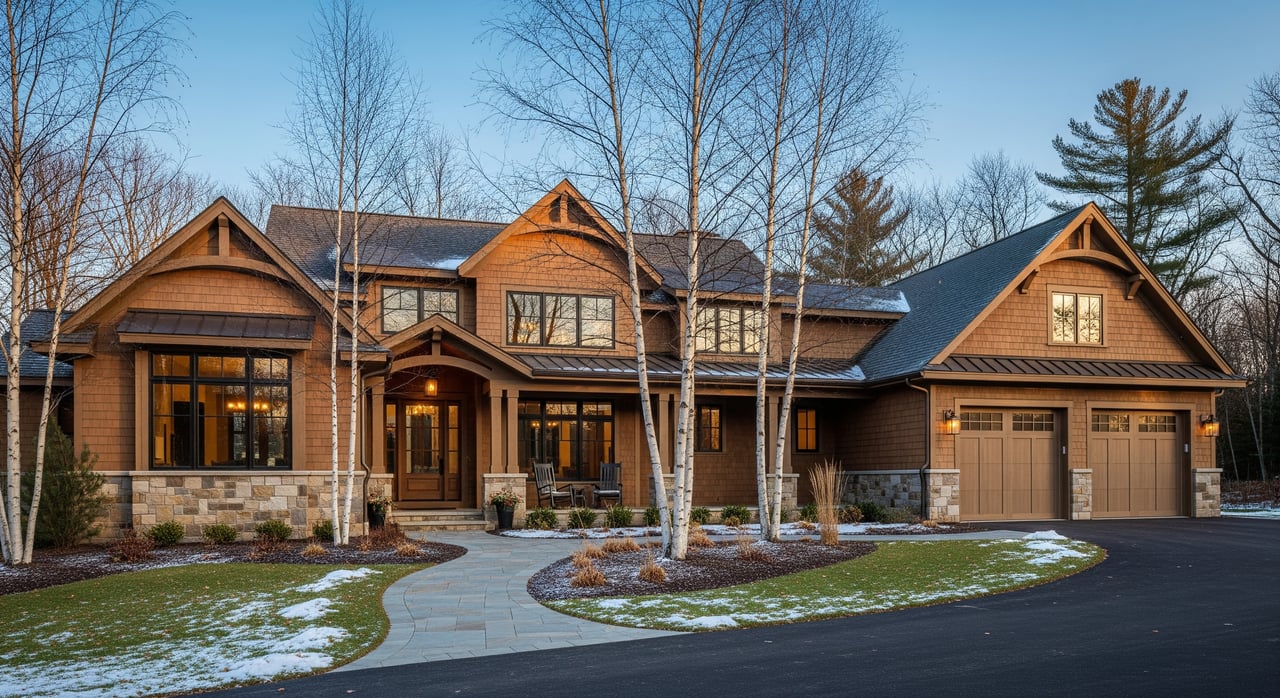
Not sure how much cash you’ll need to close on a home in Weston, or what will come out of your sale proceeds? You’re not alone. Closing costs can feel confusing, especially when every line item has a different payer and timeline. In this guide, you’ll learn who typically pays what, the ranges you should budget for, and the local details that matter in Marathon County. Let’s dive in.
What closing costs cover
Closing costs fall into three buckets. First are transaction fees tied to the property itself, like agent commission, deed and mortgage recording, and lien releases. Second are loan-related costs if you’re financing, such as lender fees and the appraisal. Third are prorations and prepaids, including property taxes, HOA dues, and insurance.
Some costs are customarily paid by one party, but practices vary by region. In Weston, it is common to confirm early who pays for the owner’s title insurance policy and which party selects the title company. Your purchase contract and local custom will guide the split.
How much to budget
For buyers using a mortgage, a simple rule of thumb is to plan for about 2% to 5% of the purchase price in closing costs, not including your down payment. This range typically covers lender fees, appraisal, title and recording, and prepaids for taxes and insurance.
For sellers, the largest expense is usually the real estate commission. When you include commission, prorated taxes, payoff and release fees, and other settlement items, total seller-side costs often land around 6% to 10% of the sale price. Your exact net depends on concessions, payoff amounts, and any repairs.
Buyer costs in Weston
Loan fees and points
If you finance, expect lender charges such as origination and underwriting, which may be a flat fee or a percentage of the loan. Optional discount points, each equal to 1% of the loan amount, can lower your interest rate. You’ll also see smaller items like a credit report and, at times, a rate-lock fee.
Appraisal and inspections
Most lenders require an appraisal to verify value. In Central Wisconsin, plan for roughly $400 to $800 depending on property type and location. General home inspections often run $300 to $600. For rural properties around Weston, you may add well, septic, radon, or pest inspections, each with its own fee.
Title, escrow, and recording
If you use a mortgage, you typically buy a lender’s title insurance policy. The owner’s title policy protects you as the buyer; who pays for it varies by local custom and is negotiable. You’ll also see a settlement or closing fee to the title company, plus county recording fees for the deed and mortgage. For exact recording amounts, check the current schedule with the Marathon County Register of Deeds.
Prepaids and escrow accounts
Your lender may collect prepaids for homeowner’s insurance and property taxes, along with one to three months of escrow reserves at closing. If the property has an HOA, plan for initial dues and any transfer fees required by the association.
Notes for cash buyers
If you pay cash, you’ll avoid lender fees and a lender-required appraisal, though you may still choose to get an appraisal and inspection. You’ll still have title-related costs, recording fees, and prorations for taxes and dues.
Seller costs in Weston
Commission and marketing
Commission is typically the largest seller expense and is negotiated with your listing broker. It is usually expressed as a percentage of the sale price and often split between the listing and buyer’s brokers. Discuss the marketing services included so you can see the value and strategy behind the fee.
Payoffs and lien releases
If you have a mortgage, the title company requests an official payoff. The payoff includes principal, interest through the closing date, and any lender fees. The release of mortgage and any other lien releases are recorded with the county after closing.
Taxes and prorations
In Wisconsin, property taxes are typically prorated at closing so you pay for your share up to the closing date and the buyer takes over after. Exact billing cycles and installment options vary by municipality. Your settlement statement will show the tax adjustment based on the closing date.
Title and transfer items
Local custom often guides who pays for the owner’s title policy. In some Midwestern markets, sellers commonly purchase it, but this is not universal in Marathon County. Expect recording fees for releases, potential HOA transfer costs if applicable, and any municipal certificates required by the contract.
Concessions and credits
You may agree to buyer closing-cost credits, repair credits, or small fixes after inspections. These are negotiable and will affect your final net. Your agent can run a seller net sheet so you see the impact before you commit.
Timing and paperwork in Wisconsin
Loan Estimate and Closing Disclosure
After you apply for a loan, federal rules require your lender to send a Loan Estimate within three business days and a Closing Disclosure at least three business days before closing. Use these disclosures to confirm your final cash-to-close and to compare costs with your original estimate.
How funds move on closing day
Buyers typically send a wire transfer or bring certified funds for the amount due at closing. Most title companies do not accept personal checks for closing funds. Sellers usually receive proceeds by wire or check after documents record and any conditions are cleared.
What can change at the finish line
Last-minute adjustments can come from updated mortgage payoff numbers, prorations for taxes and utilities, unpaid HOA dues, or negotiated credits after inspection. Keeping your lender, title company, and agent looped in helps you avoid surprises.
Weston planning checklist
- Buyers: request a Loan Estimate early and budget 2% to 5% for closing costs, plus inspections and moving.
- Buyers: confirm who typically pays the owner’s title policy in Weston and whether you will escrow taxes and insurance.
- Buyers: ask about well and septic inspections for rural properties and whether a survey is recommended.
- Sellers: request a detailed seller net sheet with commission, payoff estimates, prorated taxes, and recording fees.
- Sellers: order mortgage payoff statements in advance so your title company has current numbers.
- Both: verify wire instructions by phone with your title company to prevent fraud.
Local questions to confirm
- Who pays the owner’s title policy as a local custom in Weston.
- Which party selects the title company and pays settlement fees.
- Current Marathon County recording fees for deeds, mortgages, and releases.
- Whether the property has well, septic, or HOA requirements that add costs.
Final thoughts
Closing costs are manageable when you plan ahead and know what to expect. Set your budget using the ranges above, clarify who pays key title items, and rely on your disclosures and settlement statement for final numbers. If you want a clear, local estimate and a step-by-step plan tailored to your property and price point, reach out to Rochelle Zilisch for a quick consultation and net sheet.
FAQs
What are typical buyer closing costs in Weston?
- Buyers using a mortgage should plan for about 2% to 5% of the purchase price, plus inspection costs and any optional services.
Who usually pays the owner’s title policy in Marathon County?
- It depends on local custom and negotiation; some sellers buy it, but you should confirm the payer with your agent or title company early.
How are Wisconsin property taxes prorated at closing?
- Taxes are typically prorated so the seller pays up to the closing date and the buyer pays thereafter, with the exact adjustment shown on the settlement statement.
What do cash buyers in Weston still pay at closing?
- Cash buyers avoid lender fees but still pay title and recording costs, plus prorations for taxes and dues; many also choose an inspection and optional appraisal.
When do Weston sellers receive their proceeds?
- Sellers usually receive funds by wire or check after documents are signed, funds are disbursed, and the deed and releases are recorded with the county.