Buying your first home in Wausau or Weston can feel exciting and a little overwhelming. You want a clear plan, straight answers, and a local guide who knows what to watch for in Central Wisconsin. In this guide, you’ll learn each step of the process, key local checks like radon and winter-readiness, and where to find first-time buyer assistance. Let’s dive in.
What to expect in Wausau and Weston
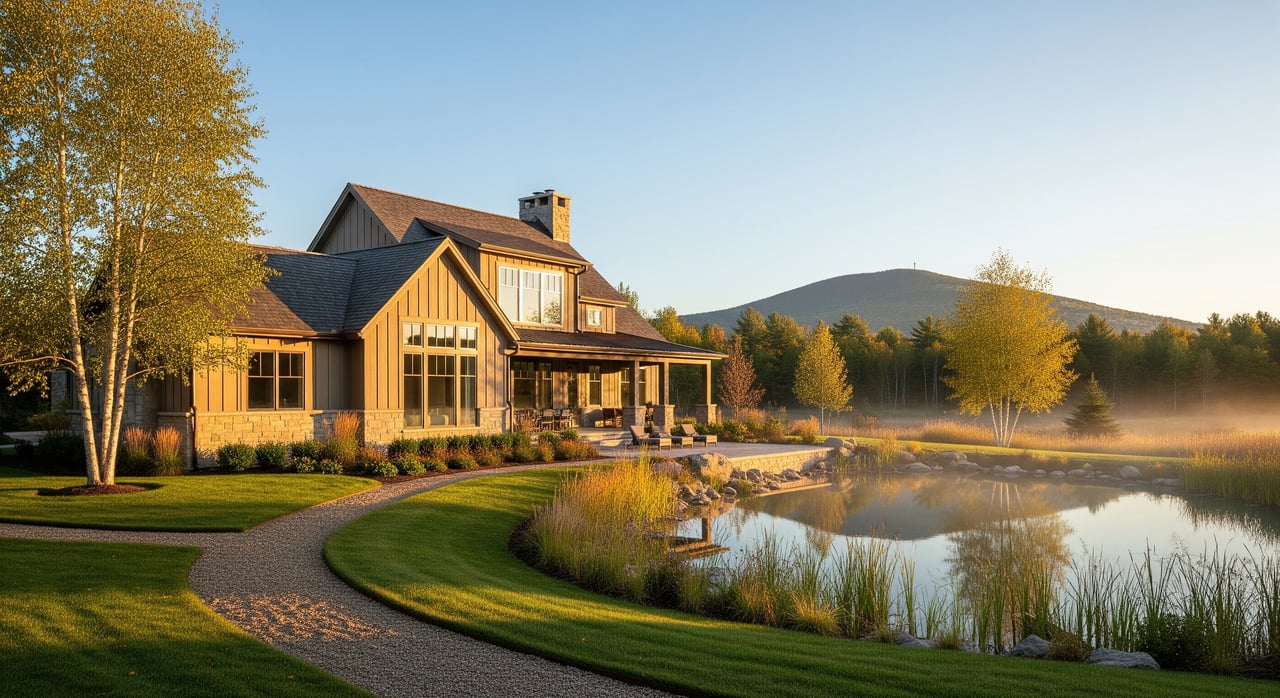
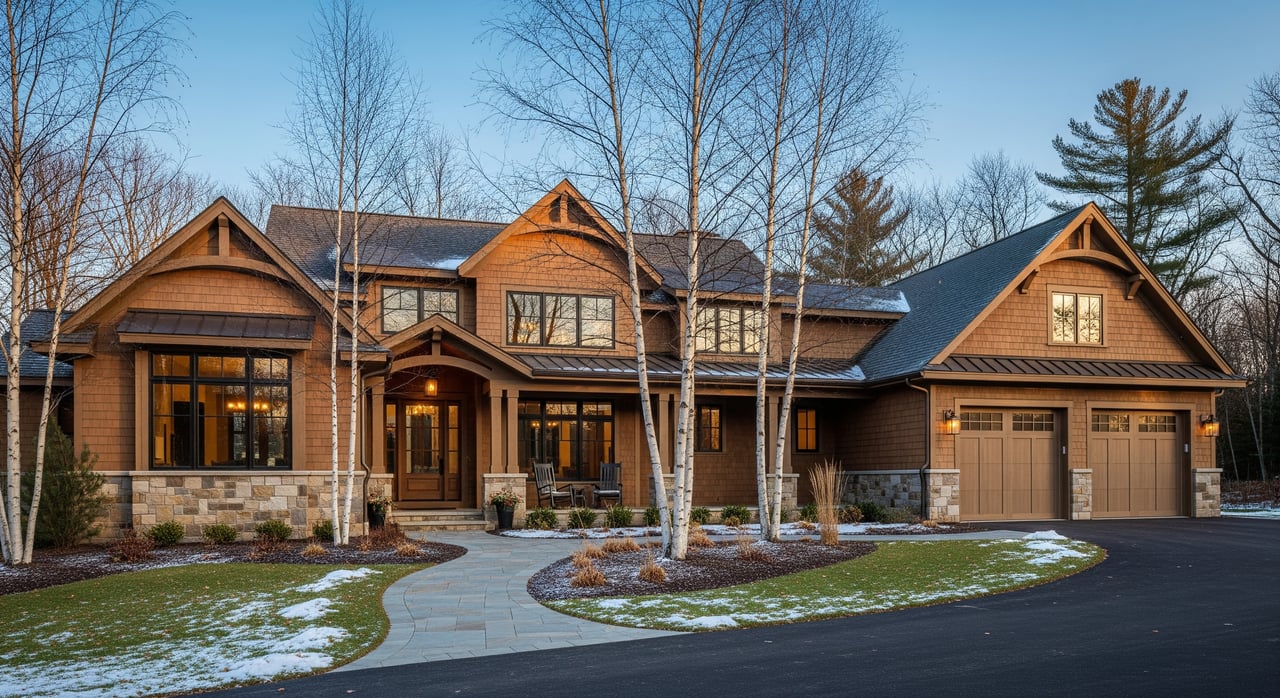
Wausau offers classic, architecturally distinct homes in city neighborhoods like Andrew Warren and East Hill, while Weston leans suburban with many single-family homes built from the 1970s to 1990s and newer subdivisions. Your tradeoff is often walkability and character versus yard size and newer systems. Inventory and days on market shift month to month, so plan to check live MLS data with your agent when you’re ready to shop.
If you’re comparing neighborhoods, focus on your lifestyle first. Think about commute routes, access to parks and trails, and your preference for older charm or newer layouts with larger garages and driveways. Then align that with budget and timeline.
Your step-by-step buying plan
1) Get pre-approved early
Start with a full, document-verified pre-approval. Lenders typically ask for photo ID, Social Security number, recent pay stubs, two years of W-2s, bank statements, and tax returns if self-employed. A verified pre-approval strengthens your offer and usually stays valid 30 to 90 days, depending on the lender. Compare at least two lenders so you understand rates, fees, and total cost. Use the CFPB’s Loan Estimate to compare offers line by line.
2) Tour homes with a signed buyer agreement
Many MLS participants now require a written buyer-representation agreement before private showings. Expect a short agreement that explains services and how your agent is compensated. This change became common in mid-2024. You can read more background on these policy updates from MLS policy summaries. Open houses are often an exception.
3) Write a confident offer
Your offer will include price, proposed closing date, an earnest money deposit, and contingencies. In competitive situations, earnest money is often about 1 to 3 percent, but local custom varies by property and market conditions. Wisconsin uses the WB-11 Residential Offer to Purchase, which includes standard inspection and financing contingency options. Review the structure and timing with your agent, and see Wisconsin REALTORS Association guidance on the WB-11 for a plain-language overview.
4) Inspections, appraisal, and underwriting
After acceptance, schedule inspections and your lender orders an appraisal. Use your inspection window to complete any specialty tests you included, review reports, and negotiate repairs or credits if needed. Your lender finalizes underwriting once documentation and appraisal are complete.
5) Closing timeline
Most financed purchases close in about 30 to 45 days after an accepted offer, depending on appraisal timing, underwriting, and any agreed repairs. Your lender will provide a Closing Disclosure with final numbers at least three business days before closing.
Inspections and local risks to check
General inspection essentials
A standard inspection reviews roof and exterior, structure, electrical, plumbing, HVAC, and ventilation. In Central Wisconsin, common findings include attic insulation or venting issues, aging furnaces or boilers, and signs of basement moisture. Read the full report, and use your contingency to request repairs or a credit.
Radon testing in Marathon County
Marathon County has higher average indoor radon levels compared to many parts of the state. Plan to add a radon test during your inspection or negotiate it as a contingency. The Marathon County Health Department offers guidance and test kits. If readings exceed EPA action levels, mitigation is a common and effective fix.
Well and septic for rural homes
If the property is not on municipal water and sewer, include a well inspection with water quality testing and a septic system evaluation by a certified maintainer. Marathon County manages a septic (POWTS) program and keeps certified provider lists. Build these items into your contingency timeline. Learn more from the Marathon County POWTS program.
Winter-readiness checks
Wausau’s snowy winters and freeze-thaw cycles can stress roofs, gutters, and drainage. Review attic insulation and ventilation, roof condition, gutter and downspout performance, grading away from the foundation, sump pumps, and exterior drainage paths. For context on snow trends, see Wausau’s historical snowfall data. If your inspection flags issues, request contractor opinions and consider credits for upgrades.
Utilities and heating fuel
Many homes use natural gas, but propane or oil can be present in some areas. Confirm fuel type, tank ownership or lease terms for propane, and recent service history for furnaces or boilers. Ask sellers for utility averages to help budget.
Financing and first-time buyer assistance
WHEDA options to explore
Wisconsin Housing and Economic Development Authority (WHEDA) offers first mortgage products and two down payment assistance options: Easy Close Advantage and Capital Access. Some programs require homebuyer education, and funding can be limited. As of January 15, 2026, Capital Access reopened for limited reservations. Review details and connect with an approved lender through WHEDA programs.
City of Wausau down payment assistance
Income-eligible first-time buyers purchasing in the city may qualify for local down payment assistance. Documentation and application windows can change year to year, so check current rules and timelines on the City of Wausau down payment assistance page.
Estimating your closing costs
Buyer closing costs in Wisconsin commonly run about 2 to 5 percent of the purchase price, excluding your down payment. Actual numbers depend on loan type, title fees, prepaid interest, property tax and insurance escrows, and whether the seller contributes to costs. Your lender’s Loan Estimate and Closing Disclosure show your exact figures. Use the CFPB’s Loan Estimate guide to compare offers accurately.
Here is a simple example to frame the math:
- Purchase price: $300,000
- Down payment (5%): $15,000
- Estimated loan amount: $285,000
- Buyer closing costs (2–5%): about $6,000 to $15,000
- Prepaid items: first year of homeowners insurance, partial month of interest, and initial escrow deposits for taxes and insurance
Transfer, recording, and taxes
- Wisconsin’s real estate transfer fee is set at $0.30 per $100 of value ($3.00 per $1,000). This is often a seller cost, but confirm in your contract and closing statement. See Wisconsin’s real estate transfer fee statute.
- The Marathon County Register of Deeds charges a flat recording fee per document. Your title company will include this in your final closing costs.
- Property tax bills are mailed after municipal budgets are set. Ask about installment due dates and how to set up your escrow correctly.
Local first-time buyer checklist
- Get fully pre-approved and confirm any eligibility for WHEDA or City of Wausau assistance.
- Discuss buyer representation and sign your agreement before private tours. Ask how compensation works.
- Target neighborhoods that fit your lifestyle and budget. Compare city charm and convenience with suburban space and newer systems.
- Write offers with clear terms, an appropriate earnest deposit, and contingencies for inspection, financing, appraisal, and any specialty tests.
- Order a general inspection plus a radon test. Add well, water, and septic checks if the property is not on municipal services. Consider sewer scope or chimney inspections for older homes.
- Review the inspection report, get contractor opinions as needed, and negotiate repairs or credits during your contingency window.
- Watch for homes built before 1978. Federal lead-based paint disclosures apply. Request all Wisconsin statutory disclosures from the seller.
- Review your Loan Estimate and Closing Disclosure for total cash-to-close, including recording fees and prepaids. Verify wiring instructions with your title company to avoid scams.
- After closing, set up utilities and confirm property tax billing and escrow details.
Ready to take the next step with a responsive local pro who knows Wausau and Weston inside and out? Connect with Rochelle Zilisch for full-service buyer representation and a clear plan from search to close.
FAQs
What are the first steps to buy a home in Wausau or Weston?
- Start with a full pre-approval, define your budget and must-haves, and speak with a local agent about neighborhoods and current inventory.
Do I need to sign anything before touring homes in Central Wisconsin?
- Many MLS participants require a written buyer-representation agreement before private showings; expect to review and sign a short agreement when you begin serious tours.
Should I test for radon when buying in Marathon County?
- Yes. Marathon County has higher average radon levels, so add a radon test to your inspection or negotiate it as a contingency and plan mitigation if results are high.
How much earnest money is typical for offers here?
- It varies by situation, but many accepted offers include earnest money around 1 to 3 percent of the purchase price; your agent will advise based on local norms.
What help is available for first-time buyers purchasing in Wausau?
- Check WHEDA for first mortgage and down payment assistance options and the City of Wausau’s down payment assistance program for income-eligible buyers.
What closing costs should I expect in Wisconsin?
- Buyer-side costs are often about 2 to 5 percent of the price, plus prepaids for taxes and insurance; your Loan Estimate and Closing Disclosure show exact figures.